Bringing breakthrough science to market takes more than brilliant research. It calls for strong leadership, clear communication, and teams able to move with focus under pressure. In biotech, pharma, and healthcare, progress depends on people working well together. These fields move quickly and carry high stakes, which makes strong leadership and team alignment essential. Real progress happens when teams can move ideas from discovery to real-world impact with focus and clarity.
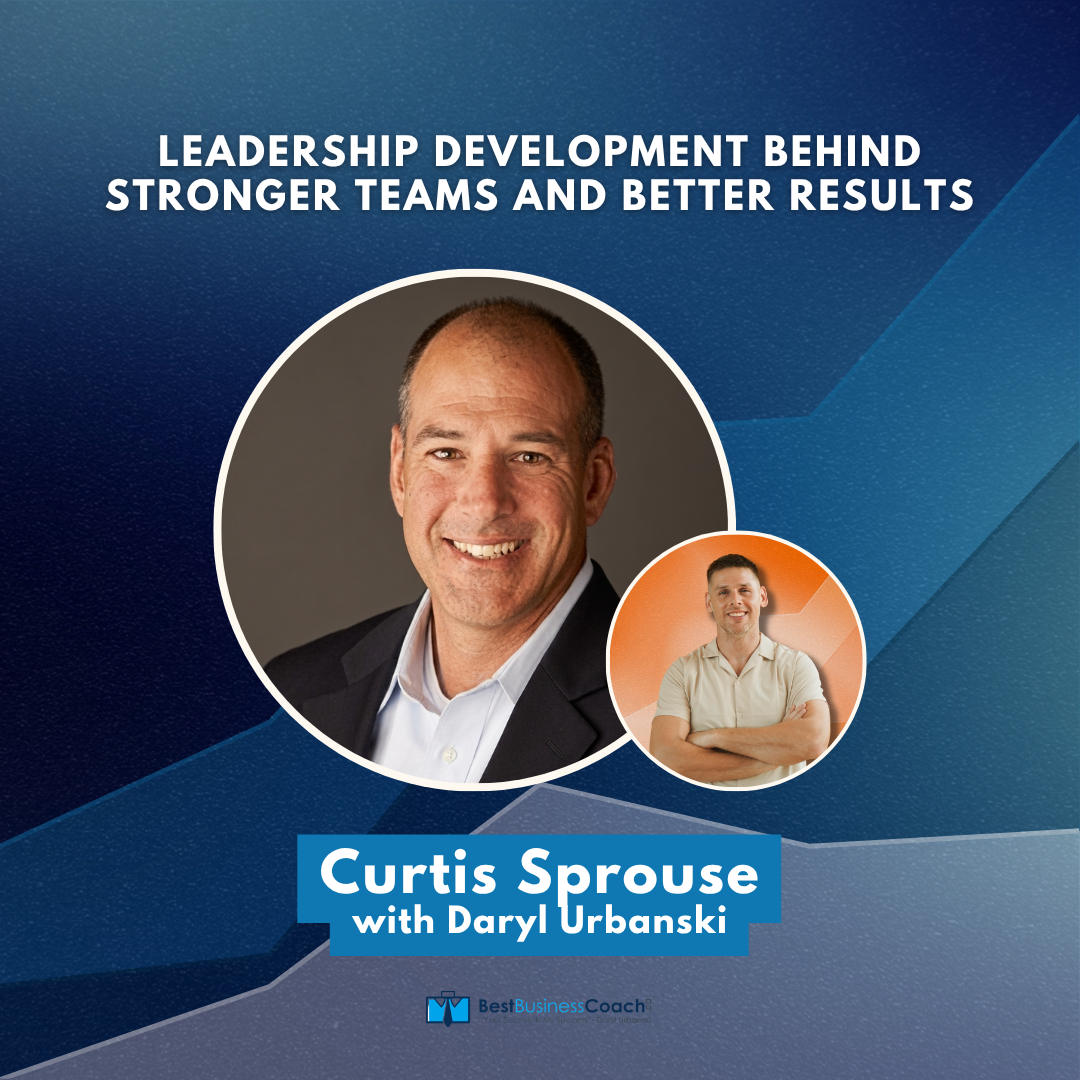
In this episode of the Best Business Podcast, host Daryl Urbanski sits down with Curtis Sprouse. He is the President and CEO of Eureka Connect. Curtis has spent more than 30 years helping companies improve how they lead and perform. He has worked across several innovation-driven industries and helped others grow through stronger leadership. Drawing from years of experience, he offers practical insight into how human performance influences success.
Leadership development shapes every stage of innovation, from early discovery to market impact. Curtis explores how leaders can create stronger teams and better outcomes in fast-moving industries. He also shares a clearer way to think about performance, growth, and long-term success. Tune in for a conversation on what it takes to lead well when the stakes are high.
Here are three reasons why you should listen to the full episode with Curtis Sprouse:
Explore powerful strategies for building effective teams and leaders in various industries.
Understand the importance of behavioral dynamics and leadership development in enhancing organizational performance.
Gain practical insights from Curtis Sprouse's 30 years of experience, with lessons applicable to businesses of all sizes.
Resources
Episode Highlights
The Genesis of a Leadership Development Journey
Leadership in high-stakes industries requires resilience and the ability to guide people through uncertainty.
Growth rarely follows a straight line and often takes shape through setbacks, pressure, and hard decisions.
Curtis Sprouse brings a career shaped by both entrepreneurship and corporate experience.
His perspective matters in biotech and healthcare, where leadership development can influence how innovation moves forward.
The Path to Eureka Connect
Better leadership starts with stronger self-awareness.
Behavioral insight can reveal patterns influencing communication, decision-making, and performance.
Curtis built Eureka Connect around validated tools which bring greater clarity to human behavior.
This kind of insight can strengthen hiring, improve collaboration, and support more focused development.
Understanding Behavior Through Data
Behavioral assessments become more useful when they measure traits with consistency and accuracy.
Personal traits shape how people handle pressure, process information, and respond to others.
Energy, competitiveness, and adaptability are examples of traits affecting performance in real settings.
Leadership development often begins with recognizing those patterns and using them with intention.
Navigating the Complexities of Leadership Development
Many leadership problems grow worse when the real issue is never clearly defined.
Assumptions can distort how people read situations when expectations remain unspoken.
Curtis emphasizes the need to identify the true source of tension before trying to fix it.
Better results often follow when leaders ask sharper questions and address the real problem.
Member research resource: For a deeper academic review of destructive leadership and the risks of harmful leadership behavior, see this dark side of leadership research review.
Why Human Connection Still Leads
Human connection remains central to high performance in a world shaped by data, automation, and AI.
Social awareness, emotional intelligence, and genuine care still influence how well people work together.
Curtis highlights connection as a core part of leadership when trust and cooperation are needed under pressure.
Organizations grow stronger when they develop human skill and technical capability side by side.
The Conclusion of Innovation Insights
The future will demand leaders who can think clearly, stay grounded, and respond with integrity.
Truth matters in leadership development because comfort can cloud judgment.
Long-term progress becomes more likely when leaders choose clarity over convenience and purpose over impulse.
Curtis Sprouse - Leadership Strategist & CEO of Eureka Connect
Curtis Sprouse is a business leader and performance strategist with more than 30 years of experience. He helps companies grow through stronger leadership and better team performance. Curtis is the CEO of Eureka Connect, where he works on improving overall effectiveness. His background includes work across biotech, pharma, healthcare, and high tech. Through his work, Curtis helps companies turn innovation into real business progress.
As an educator and entrepreneur, Curtis shares practical insight on leadership, behavior, and team dynamics. His approach combines data-driven tools with real-world experience to help people perform at a higher level. He is also passionate about guiding innovators as they move ideas from concept to market. He believes lasting results begin with understanding how people think, work, and grow. Curtis continues to support leaders and organizations committed to growth, impact, and lasting success.
 Expertise: Leadership Development · Team Performance · Behavioral Assessment · Organizational Growth · Innovation Strategy
 Connect: LinkedIn
Explore Eureka Connect: Website | LinkedIn | Facebook | Twitter/X | YouTube
 Expertise: Business Growth, Sales, Marketing Automation, Leadership
 Work With Us:
  Podcast:
  Social: